

1. Location & Overview
Leh is a town in the Ladakh region of northern India. It sits at an altitude of about 3,500 metres above sea level. The region forms part of the Himalayan‑Karakoram complex and features arid high‑altitude terrain. The union territory of Ladakh was formed in October 2019, and Leh functions as a major hub for tourism, culture, and transport in the region.
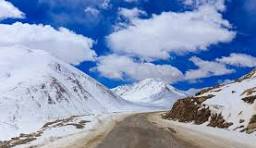
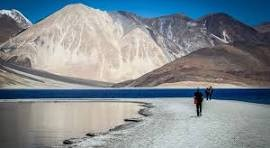
Ladakh offers dramatic landscapes — high passes, deep valleys, rivers, high altitude lakes — and a unique cultural and spiritual life shaped by Buddhism, local communities and remoteness.
2. Why Visit
-
You will witness stunning views of mountains, valleys, and lakes unlike most parts of India.
-
You will explore traditional Ladakhi culture: monasteries (gompas), prayer flags, local handicrafts, serene village life.
-
You will engage in adventure: road trips over high mountain passes, biking, trekking, off‑beat roads.
-
You will refresh yourself by being in a place that is sparse and high altitude — which gives nature a different feel.
3. Best Time to Visit
Because of the very high altitude and harsh winters, you should plan your trip during months when roads and weather are favourable. Generally June to September is the best window for visiting Leh and Ladakh by road and for sightseeing.
In winter, many roads close and weather becomes extremely cold — making travel more difficult.
4. Important Travel Tips
-
Rest for at least 24‑48 hours on arrival in Leh to acclimatize (altitude sickness is real).
-
Drink plenty of water, move slowly, avoid heavy exertion on day one.
-
Pack warm layers even in summer: nights can be cold, high passes will be very cold.
-
Check road‑status, weather, and permits (some areas require special permits).
-
Respect local culture: wear modest clothing when visiting monasteries, ask permission before photography when needed, avoid disturbing wildlife or environment.
5. How to Reach (Directions & Routes)
Here’s a detailed guide on how to reach Leh & Ladakh — by air, by road, and what to keep in mind for each.
A. By Air
-
The main airport serving Leh is Kushok Bakula Rimpochee Airport (Leh Airport).
-
Flights connect major Indian cities such as Delhi, Srinagar, Jammu, Chandigarh to Leh.
-
Because of the altitude, arriving by air means you will gain altitude quickly — so proper acclimatization becomes critical.
-
Weather or wind conditions can cause flight delays or cancellations, so keep buffer time in your schedule.
B. By Road
Road travel to Leh is an adventure in itself. There are two main highway routes and each has its own experience.1. Route via Srinagar – Kargil – Leh
-
This route spans about 434 km from Srinagar to Leh.
-
You will travel via Zoji La pass and Kargil and the scenery is dramatic.
-
This route typically opens in late spring and remains open till autumn (depending on snowfall).
-
It is often preferred by travellers because the ascent is more gradual and thus easier to acclimatize to.
2. Route via Manali – Leh
-
This route covers approximately 472–473 km.
-
It takes you through magnificent mountain passes: Rohtang La, Baralacha La, Lachung La, Tanglang La etc.
-
This route is more challenging due to higher passes and more abrupt altitude gain. So you must plan rest stops and check road conditions.
-
It is open only during the warmer months (June through September typically).
3. Rail
-
There is no direct train line to Leh as of now. The nearest major railhead is far away and you will need to switch to road transport.
6. Sample Itinerary Suggestions
-
Day 1‑2: Arrive at Leh, rest and acclimatize, explore Leh town, Leh market, local monasteries.
-
After acclimatization, travel to valleys such as Nubra, Pangong, Tso MORIRI, or go on local circuits.
-
Choose your base carefully and include rest days between high‑altitude drives.
7. What to See & Do
-
Visit the bustling Leh market, buy handicrafts, pashmina shawls.
-
Explore monasteries around Leh: e.g., Shanti Stupa, Namgyal Tsemo Gompa, etc.
-
Drive to high altitude passes, witness the stark desert mountain terrain, drive along the Indus river valley.
-
Visit high altitude lakes like Pangong Tso or Tso Moriri (note: some require permits).
-
Trek or explore village life, local culture, stay in homestays for authenticity.
8. Accommodation & Food
-
Leh town offers a variety of hotels and guesthouses from budget to mid‑range to luxury.
-
Food options: Tibetan, Indian, local Ladakhi dishes, Chinese, continental.
-
Eating local food is part of the experience: try momos, thukpa, butter tea.
9. Health & Safety Considerations
-
Because you are at high altitude, altitude sickness (AMS) might affect you — especially if you fly in and immediately go on high passes. Rest on arrival.
-
Keep moderate activity on day one, drink lots of water, avoid excessive alcohol.
-
Be prepared for weather changes, carry warm clothing, and for remote roads carry essentials like fuel, water, snacks when self‑driving.
-
When driving or biking, ensure you are comfortable with mountain roads and conditions.
10. Cultural & Environmental Respect
-
Respect local customs: in monasteries, dress modestly, turn prayer wheels, walk around stupas in the correct direction.
-
The region’s environment is fragile: dispose of waste properly, avoid disturbing wildlife or local villages.
-
Some regions might require inner‑line permits or special permissions, especially for foreign tourists or restricted zones.
11. Costs & Planning
-
Flights to Leh in peak season can book up earlier and cost more: plan ahead.
-
Road trips will incur cab or rental costs, fuel, accommodation on the way, permits if any.
-
Stay a few nights in Leh before heading further so you’re properly acclimatized and ready for higher altitudes.
12. Example Travel Route – Step by Step
Let’s say you start from Delhi:
-
Fly Delhi → Leh: you arrive within approximately 1–1.5 hours. On arrival, check into your hotel and rest.
-
Spend Day 2 exploring Leh town: Leh Bazaar, Leh Palace area, local monasteries.
-
On Day 3 depart for Nubra Valley or Pangong via passes (depending on your route), staying overnight en route for rest.
-
On subsequent days continue to other valleys or lakes, with Leh as your base or intermediate stop.
-
Return via the same or alternate route or fly out from Leh back to Delhi.
13. Summary
In active voice:
-
You journey to Leh by plane or road.
-
You rest, acclimatize, and explore the town.
-
You travel further into Ladakh’s valleys and lakes.
-
You follow well‑established routes and take care of health and safety.
-
You respect local culture and environment.
-
You end your trip with memories of mountains, monasteries, clear skies and high passes.
